House Clearance Hanwell — Recycling & Sustainability
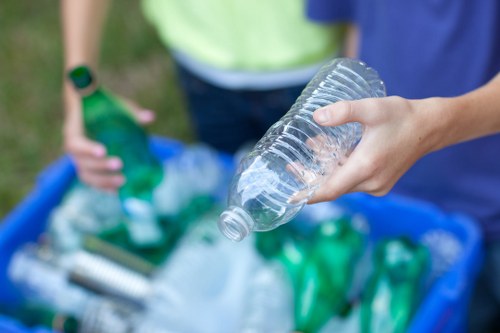
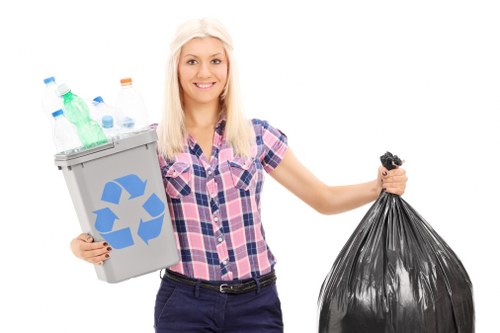 At House Clearance Hanwell we prioritise an eco-friendly waste disposal area and a practical approach to a sustainable rubbish area across every job. Our local clearance teams combine professional removals with a rigorous reuse and recycling workflow: sorting on-site, diverting reusable items to charity partners, and delivering recyclable materials to authorised local transfer stations and Materials Recovery Facilities (MRFs).
We work in step with the borough’s approach to waste separation — including kerbside dry recycling, food waste collection and garden waste streams — so our house clearances complement the London Borough of Ealing’s systems. That alignment reduces cross-contamination of mixed waste and increases the volumes we can send for genuine recycling or refurbishment.
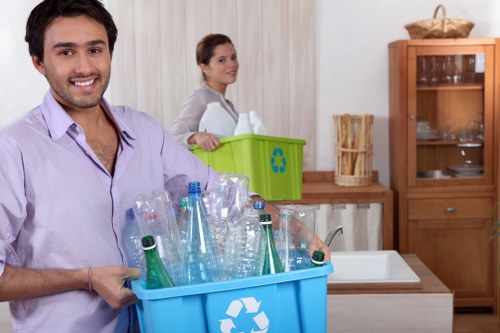 Our sustainability commitments include an explicit recycling percentage target. We are aiming to achieve an 85% reuse or recycling rate for all materials collected through Hanwell house clearances within three years, with interim quarterly reporting to measure progress. This target covers items diverted to repair, resale and charity donation as well as materials processed by MRFs.
How we manage waste sustainably
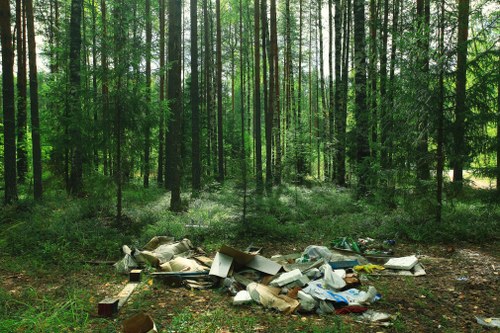
Every clearance follows a step-by-step flow designed for low environmental impact: an initial sort on-site, separation into clear streams (reusable goods, recyclable materials, hazardous items, and residual waste), and transport to the correct facilities. We prioritise reuse and donation before recycling and only use residual disposal as a last resort. Reducing landfill is core to our mission.
 We partner with local transfer stations and regional processing centres that handle Hanwell’s waste responsibly. Typical receiving facilities include licensed transfer stations in West London and nearby MRFs that accept mixed dry recyclables. These partnerships ensure items such as metal, clean wood, textiles and electronics get the correct treatment rather than being incinerated unnecessarily.
Our teams also follow best practice for materials that require special handling: plasterboard is separated to avoid contamination, electronics and batteries are removed for safe recycling, and hazardous liquids are collected and sent to compliant hazardous waste processors. This structured handling supports borough-level waste separation policies and improves overall recycling outcomes.
Charity partnerships and reuse networks
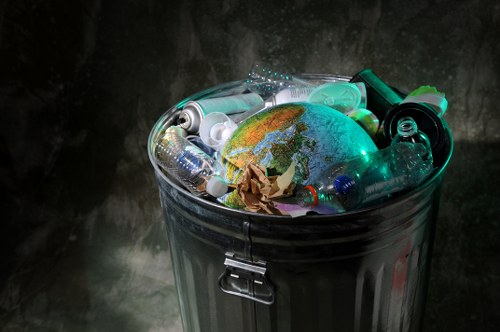 Donating usable items is one of the most sustainable outcomes from a clearance. We collaborate with national and local charities to give furniture, household goods and clothing a second life. Our usual partners include registered charities and social enterprises that accept furniture and household items for redistribution, training programmes, and community reuse schemes. Giving items to charities reduces carbon impact and supports local people.
We maintain transparent donation logs so clients know which items were passed on and to whom. Items unsuitable for donation but still recyclable are consolidated and transported to MRFs or specialist processors. Our approach blends the immediate social benefit of charitable giving with the long-term environmental advantage of high recycling rates.
 To further lower our carbon footprint we operate a fleet of low-carbon vans: electric vehicles and hybrid models for local rounds plus Euro 6 low-emission diesel vans for longer transfers. Route optimisation software reduces mileage and idling, and drivers follow eco-driving practices. This commitment to low-emission logistics makes House Clearance Hanwell a practical choice when you want a greener house clearance.
What we accept and how it’s processed
Typical items and their sustainable pathways include:
- Furniture: cleaned, assessed and sent to charity or refurbishment workshops;
- Electricals (WEEE): separated and delivered to licensed WEEE processors;
- Textiles: reused, re-sold or recycled through textile processors;
- Metals and wood: sorted and sent to MRFs or specialist recyclers;
- Hazardous materials: segregated and handled by certified hazardous waste collectors.
Reporting and accountability
We publish regular summaries of our diversion rates and continuously seek to improve. Where possible we include simple metrics for each clearance: percentage reused, percentage recycled, percentage sent to energy recovery and percentage landfilled (kept to an absolute minimum). These figures show how our Hanwell clearance services contribute to a greener local waste economy.
In summary, House Clearance Hanwell integrates local borough waste separation practices, partnerships with transfer stations and charities, and a low-carbon transport strategy to deliver a genuinely sustainable rubbish clearance service. By choosing a service that measures and reports on recycling percentage targets, clients help reduce waste, support community reuse and lower the environmental impact of clearance work.
Key sustainability pledges:
- Reach an 85% reuse/recycling target for all collected materials;
- Work with licensed local transfer stations and accredited MRFs;
- Expand charity partnerships across Hanwell and the wider Ealing borough;
- Operate a fleet of low-carbon vans and continuously reduce transport emissions.
These combined measures create a practical, accountable and eco-conscious option for anyone needing house clearance in Hanwell. Our aim is simple: fewer items to landfill, more items given new life, and a cleaner neighbourhood for everyone.